Beyond the Syntax: What Programming Really Is
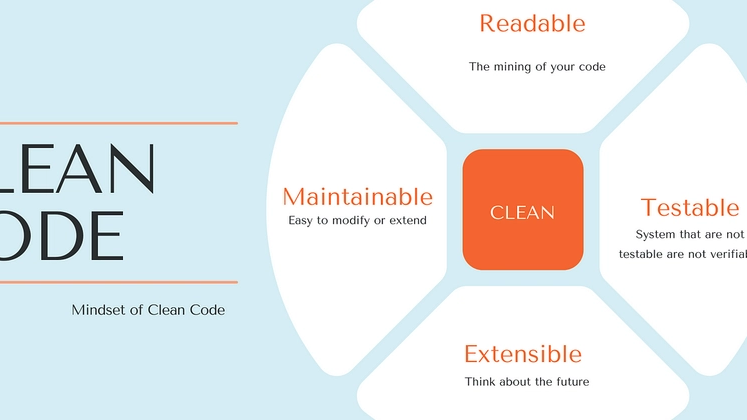
Programming is often misunderstood as the simple act of typing instructions into a computer. In reality, modern programming is a sophisticated form of problem-solving that balances technical logic with human communication. While the compiler or interpreter only cares if the code is syntactically correct, the developers who maintain that code—including your future self—care deeply about how that logic is structured. Writing code that works is the bare minimum; writing code that lasts is the hallmark of a professional developer.
The Core Principles of Clean Code
To build software that can grow and adapt to changing business requirements, developers must adhere to specific principles that promote clarity and reduce complexity. Here are some of the most critical concepts in modern programming:
- DRY (Don't Repeat Yourself): This principle aims to reduce the repetition of information. Every piece of knowledge or logic should have a single, unambiguous representation within a system.
- KISS (Keep It Simple, Stupid): Most systems work best if they are kept simple rather than made complicated. Unnecessary complexity should be avoided, as it leads to bugs and difficult maintenance.
- SOLID Principles: A set of five design principles intended to make software designs more understandable, flexible, and maintainable.
- Meaningful Naming: Variable and function names should reveal intent. A variable named 'd' for days is less helpful than 'daysSinceLastLogin'.
The Role of Documentation and Version Control
Programming does not happen in a vacuum. Even the most elegant code requires context. Documentation serves as the bridge between the code and the developer’s intent. Whether it is inline comments explaining the 'why' behind a complex algorithm or high-level README files explaining how to set up the environment, documentation is essential for team collaboration.
Furthermore, version control systems like Git have revolutionized how we program. They allow developers to experiment, track changes, and collaborate across different time zones without the fear of breaking the master codebase. Mastering Git is just as important today as mastering the syntax of a language like Python or Java.
Choosing the Right Tool for the Job
One of the most common questions in programming is: 'Which language is the best?' The truth is that the 'best' language depends entirely on the problem you are trying to solve. For data science and machine learning, Python's ecosystem is hard to beat. For high-performance system-level tasks, C++ or Rust provide the necessary control. For web interactivity, JavaScript remains the undisputed king. A professional programmer understands that languages are tools in a toolbox, and being a polyglot—someone who can work across multiple languages—is a significant advantage in the modern job market.
Conclusion: The Journey of Continuous Learning
The landscape of programming is constantly shifting. New frameworks, libraries, and paradigms emerge every year. However, the fundamental principles of logic, clean architecture, and effective communication remain constant. To succeed in programming, one must embrace a mindset of lifelong learning. It is not about knowing everything, but about knowing how to find the right information and apply it to solve real-world problems efficiently.