Order Management System
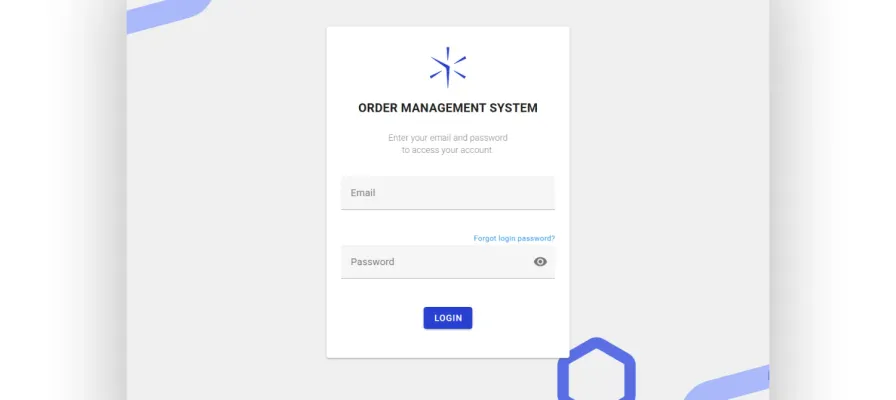
Project Overview
The OMS project was launched to overhaul a legacy system that had become both visually outdated and technically sluggish. The initiative aimed to modernize the user interface (UI) and user experience (UX) while significantly enhancing performance. By combining aesthetic improvements with technical optimizations, the project set out to create a system that is both delightful to use and robust enough to handle modern demands.
Key Objectives & Strategic Focus
The transformation was guided by a clear set of objectives designed to address multiple facets of the system:
- Intuitive UI: Craft a visually appealing, user-friendly interface that simplifies interactions.
- Seamless UX: Design fluid navigation and interactions across all modules.
- Performance Optimization: Enhance speed and responsiveness to minimize load times.
- Scalability & Future-proofing: Build a robust foundation for future growth and additional functionalities.
Challenges & Pain Points Uncovered
During the initial analysis, several challenges emerged that necessitated a complete redesign:
- Overcomplicated Navigation: Users found it difficult to locate key functions, leading to frustration and decreased efficiency.
- Design Inconsistencies: Cluttered layouts and mismatched elements caused confusion and operational errors.
- Slow Response Times: Outdated architecture resulted in lag, adversely affecting productivity and user satisfaction.
- Limited Device Responsiveness: The system struggled to perform consistently across various devices, further compromising the user experience.
Innovative Performance Optimization Strategies
Addressing performance issues was as critical as revamping the design. The team implemented several modern development practices to optimize the OMS system:
- Lazy Loading & Code Splitting: These techniques were used to reduce initial load times and efficiently manage resource usage.
- Efficient Resource Management: Improved data handling and caching strategies resulted in smoother interactions.
- Adoption of Modern Frameworks: Leveraging the latest development tools ensured faster rendering and enhanced responsiveness.
- Robust Scalability Solutions: The revamped architecture was designed to support the seamless integration of future features and additional modules.
Outcome & Impact: A Modern, Agile OMS
The comprehensive overhaul has transformed OMS into a modern, agile solution that truly empowers its users. Key benefits include:
- Enhanced User Satisfaction: A clean, intuitive design and responsive performance have significantly reduced user frustration.
- Improved Operational Efficiency: Streamlined workflows and faster load times have decreased support requests and increased productivity.
- Future-Ready Platform: The scalable architecture positions OMS to easily accommodate future enhancements and evolving business needs.
Final Thoughts
- In conclusion, the OMS project stands as a testament to the power of aligning innovative design with technical excellence, resulting in a system that not only meets today's challenges but is also well-positioned for tomorrow's demands.